How Dental Implants Can Prevent Bone Loss and Preserve Your Facial Structure
Understanding the Connection Between Tooth Loss and Facial Changes
When a tooth goes missing, the consequences extend far beyond the obvious gap in one’s smile. The jawbone, which once supported that tooth, begins a process of deterioration that can fundamentally alter facial appearance over time. This phenomenon occurs because the bone tissue requires constant stimulation from tooth roots to maintain its density and volume. Without this stimulation, the bone gradually resorbs, leading to a cascade of structural changes that can age a person’s appearance considerably, hence the importance of dental implants Thames Ditton.
The relationship between missing teeth and bone loss is both fascinating and concerning. Within the first year of tooth loss, patients can experience up to 25% reduction in bone width in the affected area. This deterioration continues progressively, and over several years, the cumulative effect can result in significant changes to facial contours, including sunken cheeks, a collapsed bite, and the formation of deep wrinkles around the mouth.
The Science Behind Bone Preservation
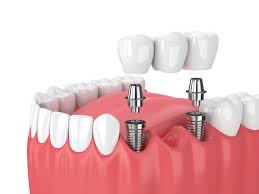
Dental implants function as artificial tooth roots, providing the crucial stimulation that natural bone tissue requires to remain healthy and robust. When patients opt for dental implants, they are essentially choosing a solution that mimics the natural relationship between tooth and bone. The titanium post integrates with the jawbone through a process called osseointegration, creating a stable foundation that encourages bone growth rather than deterioration.
This biological process is remarkably sophisticated. The implant transfers mechanical forces from chewing and biting directly into the jawbone, just as natural tooth roots do. These forces signal the body to continue depositing minerals and maintaining bone density in that area. Research has consistently demonstrated that dental implants effectively prevent the progressive bone loss that typically follows tooth extraction, making them a superior choice for long-term oral health.
How Facial Structure Benefits from Implant Treatment
Maintaining Proper Facial Proportions
The preservation of jawbone density through implant placement has profound effects on facial aesthetics. The lower third of the face relies heavily on adequate bone volume to maintain its natural proportions and youthful appearance. When bone loss occurs, the distance between the nose and the chin decreases, creating a characteristic aged look that many associate with advanced years.
Supporting Soft Tissue and Preventing Sagging
Beyond skeletal support, dental implant providers emphasise the importance of maintaining the underlying structure that supports facial soft tissues. The cheeks, lips, and surrounding skin all depend on adequate bone volume to appear full and properly positioned. When this foundation erodes, these tissues lose their support, resulting in a sunken appearance that can make individuals look considerably older than their actual age.
The preservation of bone through implant placement ensures that facial muscles and skin retain their natural attachment points. This support prevents the downward migration of soft tissues that creates jowls and deep nasolabial folds. Patients who receive implants often report that their facial appearance remains more stable over time compared to those who opt for traditional dentures or leave gaps unfilled.
Comparing Treatment Options for Bone Health
Traditional dentures and bridges, whilst functional for restoring chewing ability, do not address the underlying issue of bone loss. In fact, dentures can sometimes accelerate bone resorption because they place pressure on the gum tissue rather than stimulating the bone directly. Over time, this leads to ill-fitting dentures that require frequent adjustments and eventual replacement as the bone continues to shrink.
Understanding how to address bone loss concerns with implants requires consultation with experienced practitioners who can assess individual bone quality and develop appropriate treatment plans. In cases where significant bone loss has already occurred, supplementary procedures such as bone grafting may be necessary before implant placement can proceed successfully.
Long-Term Benefits for Oral and Overall Health
The advantages of choosing implants extend well beyond aesthetics. Maintained bone density supports adjacent teeth, preventing the shifting and tilting that often occurs when gaps remain in the dental arch. This stability contributes to better overall oral health and reduces the risk of further tooth loss. Additionally, patients who explore how implants prevent bone deterioration discover that these restorations can last decades with proper care, making them a worthwhile investment in long-term health.
Preserving Your Smile and Youthful Appearance
The decision to pursue dental implants represents a commitment to maintaining both oral health and facial aesthetics for years to come. By preventing bone loss and preserving the structural integrity of the jaw, implants offer a comprehensive solution that addresses the root cause of post-extraction complications. For individuals concerned about maintaining their facial structure and preventing the premature ageing associated with tooth loss, implants provide an evidence-based approach that delivers lasting results.
