How Your Facial Expressions Shape Long-Term Dental Wear Patterns
The Hidden Connection Between Expression and Enamel
Every smile, frown, and grimace leaves an invisible mark on one’s teeth. Whilst most people consider dental wear to be solely the result of diet or poor oral hygiene, the reality is considerably more nuanced. The habitual expressions one makes throughout the day, combined with unconscious jaw movements, create distinct patterns of wear that dental professionals can observe and analyse. These patterns tell a compelling story about how facial muscles interact with dental structures over months and years of repetitive motion.
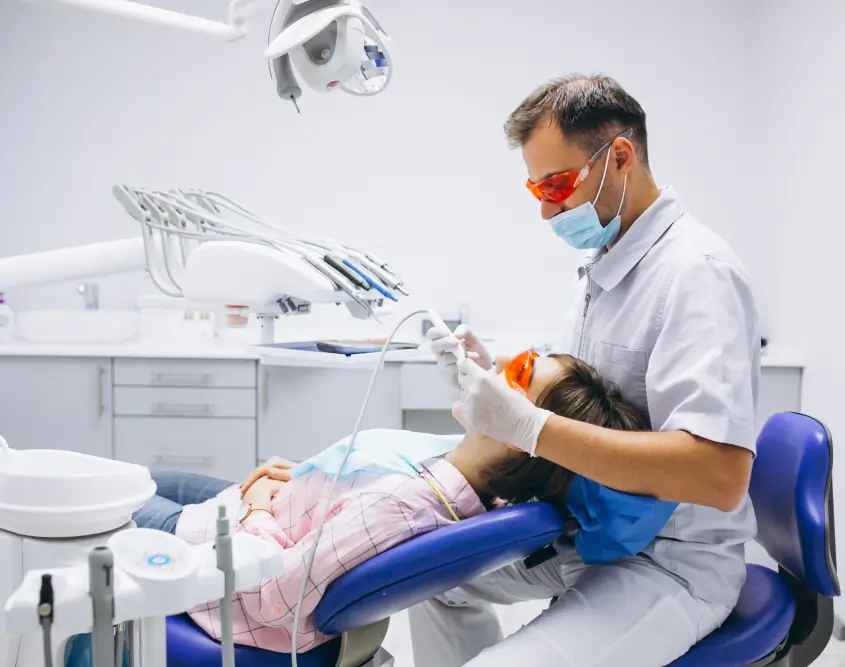
The human face employs over forty different muscles to create expressions, and many of these muscles directly influence jaw position and tooth contact. When someone frequently clenches their jaw during concentration or stress, or habitually holds their mouth in a particular position, the resulting pressure creates predictable wear patterns on tooth surfaces. A skilled dentist St Albans residents visit can identify these patterns during routine examinations, offering valuable insights into a patient’s unconscious habits.
Understanding Bruxism and Expression-Related Wear
Bruxism, the medical term for teeth grinding and clenching, represents one of the most significant contributors to expression-related dental wear. This condition often occurs during sleep but can also manifest during waking hours, particularly during periods of intense focus or emotional stress. The relationship between psychological factors and bruxism has been extensively documented, demonstrating how emotional states directly translate into physical dental consequences.
Daytime Versus Nocturnal Patterns
The distinction between daytime and nocturnal bruxism creates different wear signatures on dental surfaces. Daytime clenching typically occurs in response to specific triggers such as concentration, anxiety, or suppressed emotions. This conscious or semi-conscious behaviour often affects specific teeth based on habitual jaw positioning. Nocturnal grinding, conversely, tends to create more generalised wear patterns across multiple teeth, as the sleeping brain cycles through various jaw positions without conscious control.
The Role of Occupational Expressions
Certain professions inadvertently encourage specific facial expressions that contribute to distinctive wear patterns. Musicians who play wind instruments, for instance, develop unique dental wear related to embouchure positioning. Similarly, individuals in high-stress occupations often exhibit accelerated wear on posterior teeth due to chronic jaw clenching. Even seemingly benign habits, such as holding one’s jaw slightly forward during computer work or pursing lips during concentration, can create measurable changes in dental structure over time.
Aesthetic and Functional Consequences
The long-term effects of expression-related dental wear extend beyond mere aesthetics. As enamel gradually erodes from repetitive contact and pressure, teeth may become shorter, flatter, or develop chips and cracks. This structural compromise can lead to increased sensitivity, as the protective enamel layer thins and exposes underlying dentine. Furthermore, changes in tooth height alter facial proportions, potentially creating a prematurely aged appearance as vertical dimension decreases.
The temporomandibular joint also bears the burden of habitual expression patterns. Chronic tension in facial muscles can lead to TMJ disorders, creating a cycle where pain prompts further clenching, which exacerbates both joint dysfunction and dental wear. Many patients experience facial discomfort despite apparently healthy teeth, highlighting the complex interplay between muscular habits and oral health.
Protecting Your Smile for the Future
Awareness represents the first step towards mitigating expression-related dental wear. Individuals can benefit from mindfulness techniques that help identify moments of jaw clenching or tension throughout the day. Custom-fitted night guards provide physical protection during sleep, whilst stress management strategies address the underlying causes of bruxism. Regular dental examinations allow professionals to monitor wear patterns and intervene before significant damage occurs, preserving both function and aesthetics for years to come.
The relationship between facial expressions and dental health demonstrates the remarkable interconnection between emotional wellbeing, physical habits, and oral structures. By understanding how daily expressions shape long-term wear patterns, individuals can take proactive measures to protect their dental health whilst maintaining the full range of human expression that makes communication so wonderfully complex.
